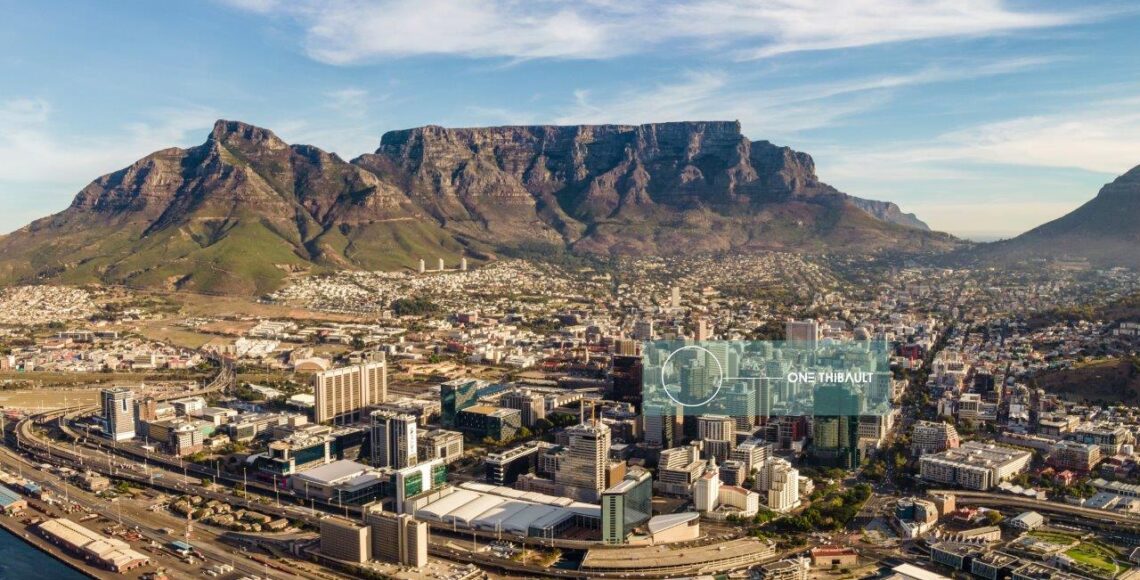
Events calendar continues to drive strong demand across Cape Town’s hospitality sector

Cape Town’s position as a leading global events destination continues to translate into strong, measurable demand within the city’s hospitality sector, with major events consistently driving high occupancy levels across hotels, aparthotels and other accommodation providers.

Flagship events such as the Cape Town International Jazz Festival, the Cape Town Cycle Tour, the Two Oceans Marathon, The Cape Town Marathon and business gatherings like the Mining Indaba continue to play a significant role in attracting international and domestic visitors at scale.

According to tourism and industry estimates, major events can push city-wide occupancy rates above 80%–90% during peak periods, with some properties reaching full capacity. The Cape Town International Jazz Festival alone has historically attracted more than 30,000 attendees, while the Cape Town Cycle Tour brings in around 30,000 cyclists, many of whom travel with support teams or family members. Similarly, the Two Oceans Marathon and The Cape Town Marathon draws tens of thousands of participants and spectators each year, and the Mining Indaba regularly hosts in excess of 6,000 delegates from across the globe.

For accommodation providers, this influx translates into extended stays, advance bookings and a broad mix of traveller profiles. Notably, the aparthotel sector has emerged as a popular choice for many of these visitors, particularly for group travel, longer stays and guests seeking flexible, self-catering options alongside traditional hospitality services.

WINK Aparthotels, which operates properties in Cape Town’s CBD and city fringe, reports a notably strong season aligned with the city’s events calendar.

“Cape Town’s events pipeline continues to play a vital role in supporting the hospitality sector,” says Derick Tait, Managing Director of WINK Aparthotels. “We’ve experienced consistently high occupancy during major events, with demand coming from both local and international markets. The diversity of visitors — from athletes and festivalgoers to business delegates — highlights the broad appeal of the city.”

This sustained performance reflects the ongoing efforts of Cape Town Tourism and the City of Cape Town, whose strategic focus on attracting and hosting large-scale events continues to yield positive outcomes for the local economy. “The city and its tourism bodies deserve recognition for the work being done to secure and grow these events,” adds Tait. “They generate real economic impact, not only for accommodation providers but for the wider ecosystem of restaurants, transport services, local businesses and tourism operators across the city.”

Momentum through the winter months

While summer remains a peak period, sustaining demand through winter is increasingly important. Events such as the Cape Town International Comedy Festival and the Good Food & Wine Show support activity, but there is room to grow both scale and frequency.

“Winter is traditionally more challenging, which is why developing the events calendar during this period is so important,” says Tait. “Even modest growth in winter events can lift occupancy and support a more balanced, year-round market.”

Cape Town’s events calendar remains a key driver of occupancy, with summer consistently delivering strong visitor numbers. Continued collaboration between the MICE industry, tourism bodies and the hospitality sector will be essential to building a more resilient, year‑round demand profile for the city.

Responsible short-term rentals: Protecting Cape Town’s heritage neighbourhoods and tourism economy

Cape Town’s tourism sector has evolved into a diverse mix of accommodation options ranging from traditional hotels, owner-managed Airbnbs and professionally operated aparthotels—serving holidaymakers, digital nomads, international visitors, Meetings, Incentives, Conferences and Exhibitions (MICE) delegates and the broader events industry. While this evolution has expanded visitor choice and fuelled new economic opportunities, it has also placed pressure on residential communities and intensified calls for clearer, more accountable management of short-term rentals.

The rapid rise of these short-term rentals has undeniably boosted Cape Town’s tourism economy, creating new streams of income and diversifying accommodation options. Yet the sector has increasingly come under scrutiny as residents and hospitality stakeholders raise concerns about affordability, neighbourhood character and responsible tenant oversight. This evolving hybrid accommodation market now demands a more cohesive regulatory framework—one that recognises both the economic importance of tourism and the necessity of protecting heritage neighbourhoods and long-term residents.

Cape Town remains an international destination of exceptional standards, consistently attracting travellers seeking immersive cultural experiences. Among its most distinctive attractions, Bo-Kaap stands out as a globally recognised heritage precinct.  Its vibrant cultural fabric, historic streetscapes and irreplaceable identity make it a neighbourhood that must be preserved, even as visitor demand grows.

Bo-Kaap’s enduring appeal perfectly illustrates the delicate balance between cultural preservation and tourism growth. As visitor demand rises, the role of short-term rentals becomes central to Cape Town’s visitor economy. In 2023, more than 700 000 travellers used short-term rental platforms in the city, contributing billions of rand to the tourism value chain. Industry data indicates that a single short-term rental unit in Cape Town achieved a median 71% occupancy rate between August 2023 and July 2024, generating more than R420 000 in gross income over the year. Communities like Bo-Kaap stand to benefit from this economic momentum—but only if growth is channelled responsibly and in partnership with residents.

The rapid expansion of the sector has also reshaped housing dynamics. A City of Cape Town Local Spatial Development Framework report found that approximately 70% of inner-city units are now operating as hotels or short-term rentals, significantly reducing long-term residential availability. As listings increase, so too do calls for structured, accountable and community-aligned management.

Ryan Flowers, Managing Director of Flyt Property Investments, emphasises that short-term rentals must actively contribute to neighbourhood resilience if they are to be sustainable: “A short-term rental should contribute meaningfully to its surroundings. It’s not simply accommodation—it’s an opportunity to showcase the culture, spirit and unique fabric of an area in a way that brings shared benefit. When operators take this responsibility seriously, the impact is tangible: local eateries draw more foot traffic, independent retailers gain momentum and micro-economies begin to flourish. Our work at Eaton Square in Cape Town’s Southern Suburbs demonstrates this clearly. Through our hospitality management brand, WINK Aparthotels the development has been managed in a way that attracts complementary businesses that now serve both residents and visitors, strengthening the neighbourhood rather than disrupting it.”

Flyt has intentionally designed its Bo-Kaap development at 150 Buitengracht to mirror this integrated model, collaborating extensively with the local community during the development’s design phase. With 70% of units already sold before public release, the mixed-use development will be managed by WINK Aparthotels to ensure consistent standards, professional oversight, community engagement and alignment with the cultural and heritage values of Bo-Kaap. The objective is to create a responsible hospitality presence that brings economic activity to the area while safeguarding what makes the neighbourhood unique.

Flowers adds that progress must be collaborative: “Bo-Kaap’s heritage is irreplaceable. Its preservation must sit at the centre of how tourism and development evolve in the area. Regulation, operators, residents and the tourism sector need to move in the same direction. When short-term rentals are professionally managed and aligned with community priorities, they can add genuine value to neighbourhoods rather than placing them under strain.”

As one of Cape Town’s most important economic drivers, tourism can only remain sustainable if its benefits are shared and its impacts carefully managed. Moving ahead, meaningful collaboration between short-term rentals, hotels, community representatives and local businesses will be essential to ensure that neighbourhoods remain vibrant, resilient and culturally intact.