Is Rosebank, Gauteng a sure investment right now?

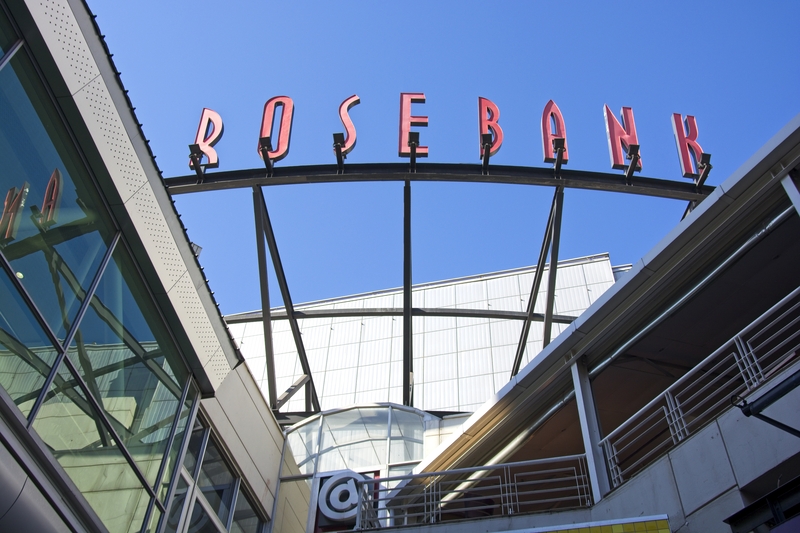
The question of where to invest in South African property is becoming less about geography and more about value. While the Western Cape remains a blue-chip market enjoying sustained demand, investor attention is widening to include Gauteng – particularly areas offering a compelling combination of accessibility, amenities and yield. Rosebank is emerging as one of the most notable of these, shaped by strong fundamentals and a maturing urban ecosystem that continues to attract both corporate and residential demand.

According to a recent report by Rainmaker, Gauteng remains South Africa’s economic centre, contributing around 33% of national GDP and 30% of employment, while also recording the highest net migration gains nationally. This concentration of economic activity continues to support demand for residential property in well-located urban locations.

The area has seen sustained development across residential, commercial and mixed-use projects, positioning Rosebank as one of Johannesburg’s most established high-density urban centres.

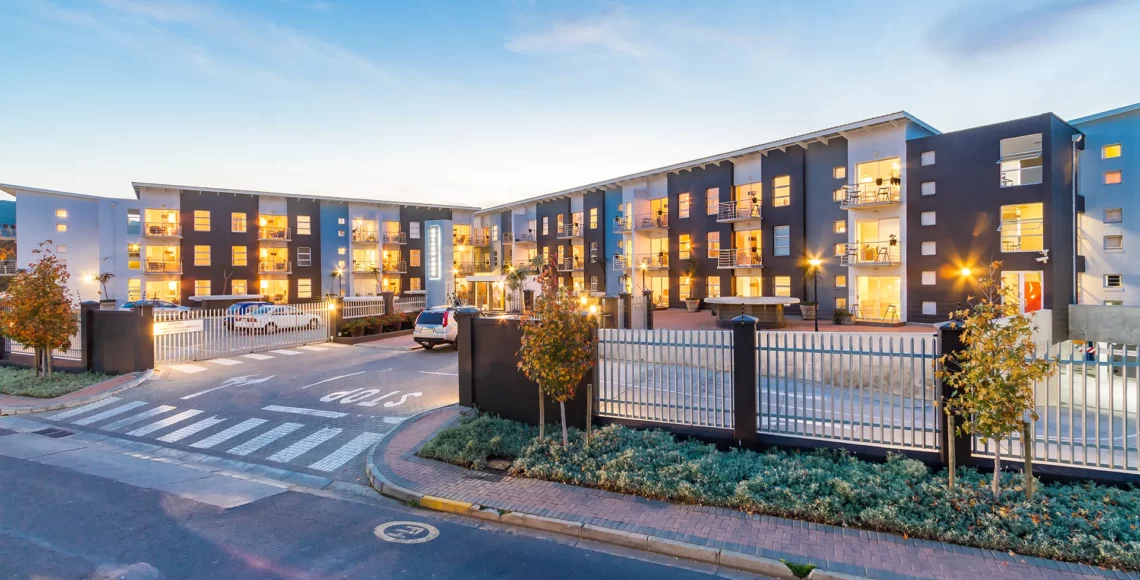
Flyt Property Investment, historically focused on the Western Cape market, is among those expanding their footprint. The group has identified Rosebank as a strategic investment hotspot, partnering with LivRES, the developers of Saxon Square, to launch its latest aparthotel offering through its hospitality brand, WINK Aparthotels. Located on Oxford Road in Rosebank, Saxon Square is a mixed-use development comprising over 150 residential units, positioned within one of Johannesburg’s most active commercial and lifestyle precincts.

“Cape Town continues to deliver strong performance and remains an important part of our investment strategy,” says Ryan Flowers, Managing Director of Flyt Property Investment. “At the same time, we’ve been assessing opportunities in Gauteng, and Rosebank stands out for its accessibility, infrastructure and its potential to deliver consistent rental demand.”

The divergence between regions is also shaped by broader market dynamics. The Western Cape has benefited from consistent municipal performance, infrastructure reliability and a strong tourism-driven economy, all of which have supported sustained property demand. By contrast, parts of Gauteng have experienced more uneven growth, with investor sentiment at times influenced by concerns around municipal delivery and infrastructure reliability.

Well-performing areas such as Rosebank, already known for its established schools, walkable streets and vibrant retail appeal, are beginning to stand out within this context, supported by concentrated investment and strong corporate demand.

That shift is visible in the corporate footprint of the area. In recent years, a number of major companies have either relocated to or consolidated offices within Rosebank, including Anglo American, which moved its global headquarters to the centre, as well as Standard Bank, Allan Gray and TotalEnergies. The continued growth of precincts such as Oxford Parks has further attracted blue-chip tenants, reinforcing Rosebank’s role as a key commercial hub.

What’s increasingly bolstering the investment case is the strength of the rental market. Vacancy rates in Rosebank have declined from over 15% in 2021 to around 8% by late 2025, pointing to improving occupancy and consistent demand for well-located units.

This is translating into a more compelling buy-to-rent proposition, with recent industry insights pointing to gross rental yields of between 11% and 13%, supported by strong occupancy and corporate-driven demand.

In nodes like Rosebank, demand for short-term and aparthotel-style accommodation is also becoming a more visible part of the market mix.

Recent data reflects this broader momentum. Rosebank recorded a 53% increase in transaction volumes since 2023, placing it among Johannesburg’s strongest-performing suburbs over the past two years. The area has also attracted a notable share of international buyers, with foreign purchasers accounting for 19% of transactions between early 2024 and 2025.

“Investors are increasingly focused on areas where people can live, work and access amenities within a single urban district,” adds Flowers. “Rosebank aligns with that shift, particularly for buyers looking at long-term rental income.”

The Rainmaker report further points to strong underlying fundamentals supporting the node. Household incomes in Rosebank have increased by approximately 171% since 2011, reinforcing ongoing demand.

From a development perspective, investment into Rosebank remains consistent.

“There has been sustained capital investment into Rosebank across both commercial and residential sectors,” says Alan Dinne development director at LivRES. “The presence of large corporates, combined with continued infrastructure upgrades, is reinforcing its role as a key urban centre within Johannesburg. It’s not just about lifestyle anymore – it’s about opportunity, affordability and long-term stability.”

All indicators suggest that Rosebank is transitioning into a more mature, high-density mixed-use urban pocket, with growth expected to continue as development activity stabilises and demand remains steady.

For property investors looking for value in Johannesburg, Rosebank is emerging as one of the most attractive opportunities in the current market cycle.

Events calendar continues to drive strong demand across Cape Town’s hospitality sector

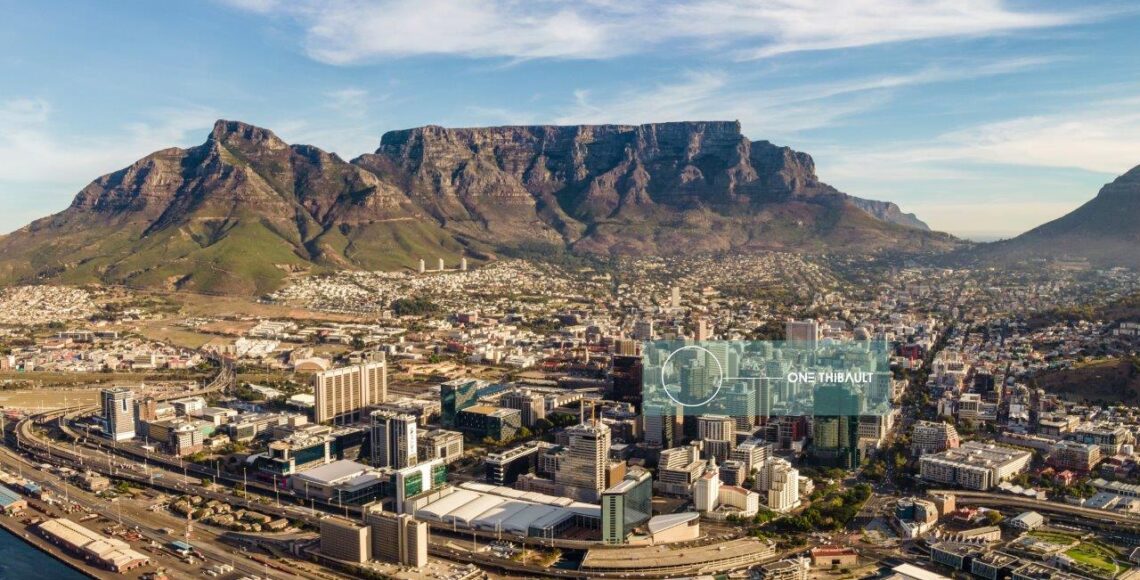
Cape Town’s position as a leading global events destination continues to translate into strong, measurable demand within the city’s hospitality sector, with major events consistently driving high occupancy levels across hotels, aparthotels and other accommodation providers.

Flagship events such as the Cape Town International Jazz Festival, the Cape Town Cycle Tour, the Two Oceans Marathon, The Cape Town Marathon and business gatherings like the Mining Indaba continue to play a significant role in attracting international and domestic visitors at scale.

According to tourism and industry estimates, major events can push city-wide occupancy rates above 80%–90% during peak periods, with some properties reaching full capacity. The Cape Town International Jazz Festival alone has historically attracted more than 30,000 attendees, while the Cape Town Cycle Tour brings in around 30,000 cyclists, many of whom travel with support teams or family members. Similarly, the Two Oceans Marathon and The Cape Town Marathon draws tens of thousands of participants and spectators each year, and the Mining Indaba regularly hosts in excess of 6,000 delegates from across the globe.

For accommodation providers, this influx translates into extended stays, advance bookings and a broad mix of traveller profiles. Notably, the aparthotel sector has emerged as a popular choice for many of these visitors, particularly for group travel, longer stays and guests seeking flexible, self-catering options alongside traditional hospitality services.

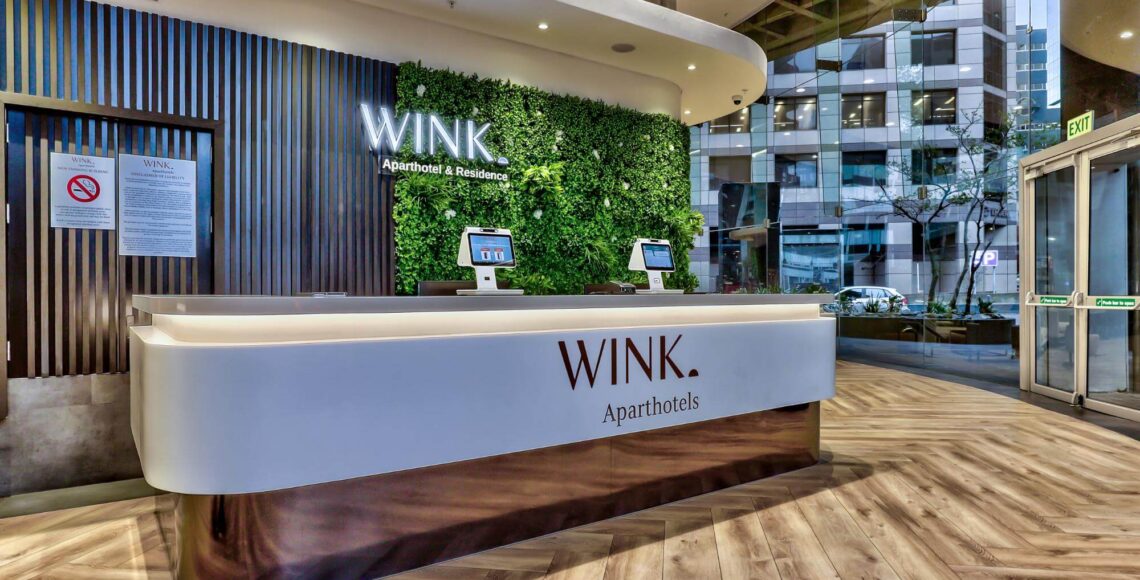
WINK Aparthotels, which operates properties in Cape Town’s CBD and city fringe, reports a notably strong season aligned with the city’s events calendar.

“Cape Town’s events pipeline continues to play a vital role in supporting the hospitality sector,” says Derick Tait, Managing Director of WINK Aparthotels. “We’ve experienced consistently high occupancy during major events, with demand coming from both local and international markets. The diversity of visitors — from athletes and festivalgoers to business delegates — highlights the broad appeal of the city.”

This sustained performance reflects the ongoing efforts of Cape Town Tourism and the City of Cape Town, whose strategic focus on attracting and hosting large-scale events continues to yield positive outcomes for the local economy. “The city and its tourism bodies deserve recognition for the work being done to secure and grow these events,” adds Tait. “They generate real economic impact, not only for accommodation providers but for the wider ecosystem of restaurants, transport services, local businesses and tourism operators across the city.”

Momentum through the winter months

While summer remains a peak period, sustaining demand through winter is increasingly important. Events such as the Cape Town International Comedy Festival and the Good Food & Wine Show support activity, but there is room to grow both scale and frequency.

“Winter is traditionally more challenging, which is why developing the events calendar during this period is so important,” says Tait. “Even modest growth in winter events can lift occupancy and support a more balanced, year-round market.”

Cape Town’s events calendar remains a key driver of occupancy, with summer consistently delivering strong visitor numbers. Continued collaboration between the MICE industry, tourism bodies and the hospitality sector will be essential to building a more resilient, year‑round demand profile for the city.

Aparthotels come of age as traveller expectations shift

There was a time — not that long ago — when checking into an aparthotel meant arriving at a dimly lit lobby, ringing a bell for a security guard doubling as a night receptionist, and being handed a jangling bunch of keys. If you were less fortunate, it was a keybox bolted to a wall and a late-night SMS with a code.

Inside, the unit was functional. Clean, perhaps. Minimal. Almost certainly unserviced. No concierge. No daily housekeeping. No café downstairs. It was accommodation — but it wasn’t yet hospitality.
That version of the aparthotel has largely disappeared.

Today’s professionally managed aparthotels occupy a defined space between traditional hotels and informal short-term rentals. More streamlined than full-service hotels, yet far more structured than standalone units, the segment has matured into a sophisticated hospitality category shaped by changing traveller behaviour.

According to Derick Tait, Managing Director of WINK Aparthotels, which owns and manages four properties in the Western Cape, the transformation has been driven by demand rather than design.
“The early aparthotel model was transactional,” says Tait. “It offered space and price, but not a consistent hospitality experience. Over time, guests wanted more — and we evolved with that demand.”

The growth of remote work, extended stays and lifestyle-led travel has reshaped accommodation patterns. What was once perceived as overlap between hotels and aparthotels has settled into clearer market segmentation, with each model serving distinct traveller needs:

Traditional Hotels Aparthotels
Short leisure stays Extended stays
Conference groups Remote workers
Package tourism Digital nomads
Traditional corporate Relocation clients

This clearer segmentation has allowed each accommodation type to refine its offering and meet its guests’ needs more effectively.

“The guest profile has diversified,” says Tait. “We’re seeing travellers who want autonomy and space, but also safety, brand consistency and service when they need it. That’s where professionally managed aparthotels fit.”

Rather than replacing traditional hotels — which remain essential for conferencing, luxury travel and full-service hospitality — aparthotels increasingly serve longer-stay and hybrid travellers whose needs differ.

Operationally, the aparthotel model has shifted just as significantly. Traditional hotels carry high fixed costs: 24-hour reception teams, food and beverage staff, extensive common areas and substantial service infrastructure. Aparthotels operate differently, with centralised management, leaner onsite teams and technology-enabled systems.

Dynamic pricing tools, central housekeeping coordination and scaled staffing models allow operators to manage occupancy and margins with greater flexibility.

“Technology has fundamentally changed how we operate,” says Tait. “We’re able to manage key functions centrally and optimise revenue across properties in ways that simply weren’t possible a decade ago.”

These structural differences result in distinct cost bases. While hotels remain capital-intensive and service-heavy, professionally managed aparthotels can operate with lower overhead per key, often translating into stronger margin resilience and pricing agility.

Perhaps the most significant evolution has been the shift from fixed service to optional service. Housekeeping can be scheduled rather than assumed. Catering is flexible — self-catered or provided. Lifestyle elements are integrated without replicating the scale of traditional hotel restaurants.
WINK, for example, has introduced deli and coffee shop concepts within selected properties, offering guests convenient food and beverage access while maintaining operational efficiency.

“Choice has become central to the model,” says Tait. “Guests don’t necessarily want daily servicing built into the rate, but they want the option. We’ve built our operations around that flexibility.”
This adaptability has proven critical in a market where seasonality patterns, length of stay and traveller expectations continue to shift.

The image of a security guard behind a makeshift desk handing over keys may still linger in public memory. But the modern aparthotel has moved well beyond its informal beginnings.
“We’re no longer just handing over keys,” concludes Tait. “We’re operating structured, professionally managed hospitality assets. The segment has matured — and it continues to adapt as the market evolves.”

In destinations such as Cape Town, where international visibility has increased and traveller profiles have diversified, this evolution reflects broader global shifts in how people live, work and travel.

The rise of the aparthotel is less about disruption and more about alignment, responding to demand with a model that sits between traditional hotels and short-term rentals, offering space, flexibility and service on the guest’s terms.